
Summary
Understanding the assisted living vs. memory care difference helps families choose the right support level for their loved one's changing needs. Both options provide daily support and connection, but they differ in the type of care and environment they offer.
- Assisted living supports older adults who need help with daily tasks like bathing, dressing, medication management, meals, and transportation while maintaining flexible routines and choices.
- Memory care provides specialized support for residents living with dementia or Alzheimer's disease, including secure neighborhoods, structured routines, and dementia-trained staff.
- Memory care may be appropriate when cognitive changes affect safety, such as wandering, confusion about time or location, difficulty completing familiar tasks, or increased anxiety and behavioral changes.
- Assisted living is often the right fit when someone needs help with personal routines but remains aware of surroundings, can make daily choices with limited reminders, and doesn't require a secure neighborhood.
- Memory care typically costs more due to specialized programming, secured spaces, and dementia-focused training, so families should compare what's included in each option rather than price alone.
Choosing between assisted living and memory care for someone you love can feel difficult, especially when needs are changing gradually. Understanding the assisted living vs. memory care difference can help families make a more confident decision without rushing the process or second-guessing every concern.
Both options offer support, connection, and a more manageable daily routine. The difference is in the type of support provided. Assisted living is often the right fit for older adults who need help with daily tasks. Memory care suits residents living with Alzheimer’s disease, dementia, or other cognitive changes that affect safety, routine, and communication.
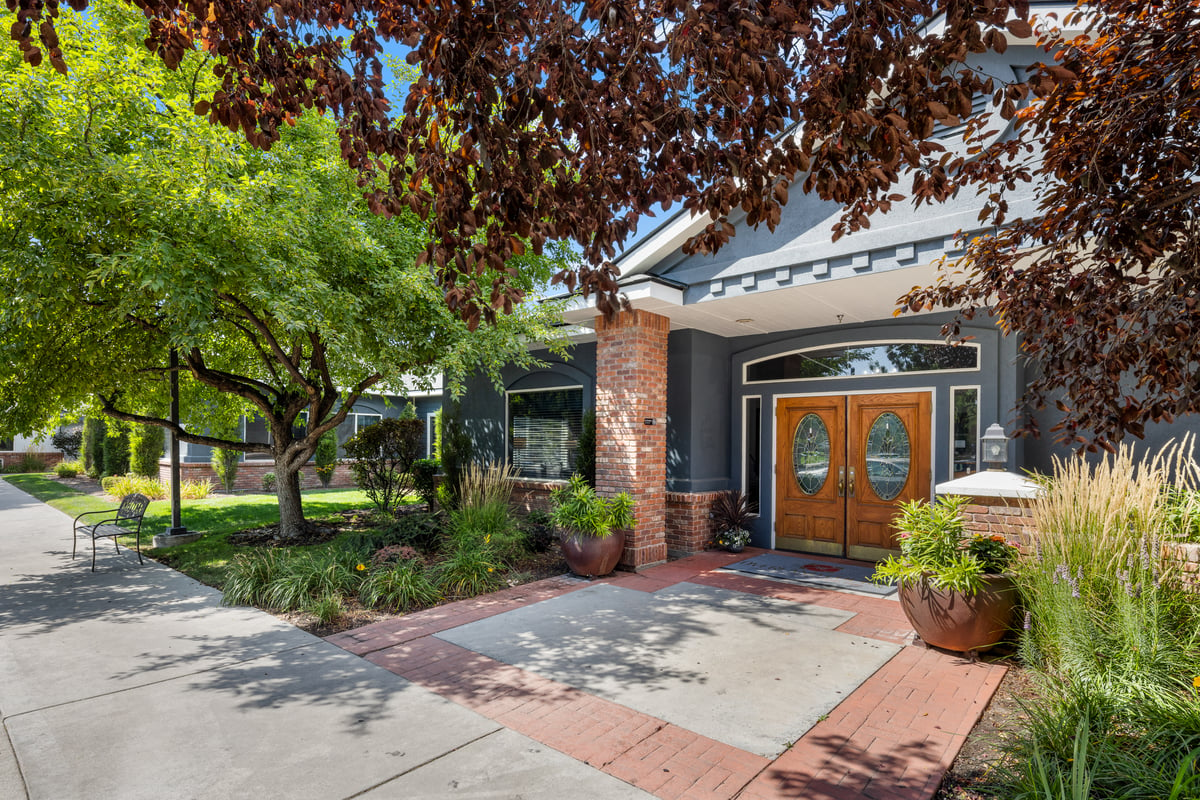
In Boise, Overland Court Senior Living offers both Assisted Living and Memory Care, giving families a way to compare options in one community. The key is understanding what your parent needs now, what may change over time, and which setting can best support their daily life.
Understanding the Assisted Living vs. Memory Care Difference
Assisted living supports older adults who can manage many parts of the day but need help with specific tasks. This may include bathing, dressing, medication management, continence support, or getting to meals and programs. The goal is to provide the right level of help while allowing residents to keep familiar routines and make choices about their day.
At Overland Court, Assisted Living includes private apartment homes, chef-prepared meals with tableside service, scheduled transportation, weekly housekeeping and linen service, a Health & Wellness Center, group exercise classes, and social events through programs such as Vibrant Life®. These services can make daily life easier for someone who no longer wants to manage everything alone.
Memory care provides a more specialized setting for residents living with dementia or Alzheimer’s disease. The environment, Associates, routines, and programs are designed around cognitive changes. That may include a secure memory care neighborhood, a secure outdoor courtyard, daily enrichment programs, dining assistance as needed, and 24-hour professionals available.
For many families, the difference between AL and MC comes down to this: assisted living helps with daily tasks, while memory care adds specialized structure, safety-enhanced design, and dementia-focused support.
When to Choose Memory Care
Deciding when to choose memory care is not always simple. A parent may still hold conversations, enjoy familiar hobbies, or manage parts of the day, while also becoming confused, anxious, or unsafe at certain times. Early memory loss does not always mean memory care is immediately needed, but certain patterns may point to a need for more specialized support.
Memory care may be a better fit when your parent is experiencing:
- Wandering or getting lost in familiar places
- Significant confusion about time, location, or daily routines
- Difficulty completing familiar tasks safely
- Repeated medication mistakes or missed meals
- Changes in behavior that create safety concerns
- Increased anxiety, agitation, or need for frequent redirection
Families often start asking which care level does parent need when daily support is no longer enough. If your loved one needs consistent reminders, a more predictable routine, or a setting for cognitive changes, memory care may offer the structure that assisted living cannot fully provide.
When Assisted Living May Be the Better Fit
Assisted living or memory care is not an either-or decision based on age alone. Many older adults who need help with bathing, dressing, medication management, meals, housekeeping, or transportation may do well in assisted living, especially if they are still aware of their surroundings and can participate in daily routines with some support.
Assisted living may be the right choice if your parent:
- Needs help with personal routines but is not at risk of wandering
- Can make many daily choices with limited reminders
- Enjoys social programs, meals, and community spaces
- Benefits from support but does not need a secure neighborhood
- Wants a private apartment home with services close by
At Overland Court, Assisted Living residents can enjoy amenities such as chef-prepared meals, complimentary scheduled transportation, game and program rooms, a library, religious services, an outdoor walking path, and a professional salon and barbershop. For someone who needs support but not dementia-specific structure, this setting may provide the right balance.
Families who want to learn more can explore as they compare options.
Comparing Daily Life and Programming
Daily life in assisted living is usually more flexible. Residents can choose from events, dining times, social opportunities, exercise programs, and quiet time in their apartment homes or shared spaces. Support is available, but the daily rhythm often feels more open-ended.
Memory care follows a more structured routine. Predictability can be comforting for residents living with dementia because it reduces confusion and helps create a steady rhythm. Programs are often adapted to each resident’s abilities, interests, and attention span.
At Overland Court, Memory Care also includes Generations Memory Care®, a secure neighborhood, chef-prepared meals and snacks, senior-specific wellness programming, housekeeping and laundry services, and an emergency response system. These features are designed to support residents living with dementia while helping families feel more confident about safety and daily engagement.
Both options offer social connection and daily support, but memory care adapts the experience for residents who benefit from a calmer rhythm, familiar cues, and more structured engagement. Families comparing options can also review Assisted Living at Overland Court to understand how the setting differs from assisted living.
Staffing and Training Differences
Associates in assisted living support residents with daily routines such as medication management, dressing, bathing, mobility, meals, and personal needs. They also encourage residents to participate in programs, enjoy meals with neighbors, and stay connected to the community.
Memory care Associates receive more specialized training related to dementia, communication, redirection, and behavioral changes. This matters because dementia can affect how a person processes information, responds to stress, or expresses discomfort. A calm approach, familiar routine, and careful communication can make daily life feel more manageable.
Memory care also often includes more consistent observation throughout the day and night. This does not mean every resident needs the same level of support. It means the setting is built to respond to changing needs with greater structure and familiarity.
Understanding Memory Care vs. Assisted Living Costs
Memory care vs. assisted living costs can vary depending on the community, apartment home, services included, and the level of support needed. In general, memory care often costs more because it includes specialized programming, secured spaces, dementia-focused training, and more structured daily support.
Assisted living may cost less when a resident needs help with daily routines but does not need a secure memory care neighborhood or dementia-specific programming. However, the lowest monthly price is not always the best comparison point. Families should look closely at what is included and what may cost extra.
When reviewing costs, ask each community about:
- Monthly rent and service fees
- What support is included
- Medication management costs
- Apartment home options
- Dining, housekeeping, laundry, and transportation
- Memory care programming and safety features
- How pricing changes if needs increase
The right question is “What does this cost?” and “Does this level of support match what my parent needs now?”
How to Decide Which Care Level Your Parent Needs
Start with what you are seeing day to day. Is your parent mainly struggling with household tasks, medication reminders, bathing, or transportation? Or are there concerns about confusion, wandering, missed meals, unsafe choices, or repeated redirection?
A physician’s evaluation can help clarify cognitive changes and health needs. Touring both assisted living and memory care can also help families see the difference in environment, pace, and support. Pay attention to how your loved one responds to each setting. Some people feel comfortable with the flexibility of assisted living. Others feel more settled with the structure of memory care.
Look for patterns, not just one-time incidents. A forgotten appointment may not signal a need for memory care, but repeated confusion, safety concerns, or missed medications may point to a larger issue. If your parent needs occasional help with daily routines, assisted living may be enough. If they need frequent reminders, redirection, or supervision, memory care may be more appropriate.
The best fit should support dignity, connection, and comfort. Whether your loved one needs assisted living or memory care, the environment should feel respectful, calm, and responsive to their needs.
FAQ: Assisted Living or Memory Care in Boise
What Is the Main Assisted Living vs. Memory Care Difference?
Assisted living supports older adults who need help with daily tasks such as bathing, dressing, medication management, meals, or transportation. Memory care supports residents living with dementia or Alzheimer’s disease and includes specialized routines, secured spaces, and dementia-focused programming.
Does Memory Loss Always Mean My Parent Needs Memory Care?
No. Some older adults with mild memory changes may do well in assisted living, especially if they are safe, comfortable, and able to follow daily routines with limited support. Memory care may become more appropriate when cognitive changes affect safety, behavior, or the ability to manage the day.
Is Memory Care More Expensive Than Assisted Living?
Memory care often costs more than assisted living because it includes specialized services, secured areas, dementia-trained Associates, and more structured daily support. Costs vary by community, apartment home, and level of need.
Can Someone Move From Assisted Living to Memory Care Later?
In some communities, residents may be able to transition from assisted living to memory care if needs change. This can help families maintain continuity while making sure their loved one receives the right support.
Making a Confident Choice in Boise
Choosing between assisted living and memory care is not about labeling your parent’s needs. It is about matching the right environment to their daily life, safety, and comfort.
Assisted living may be the right choice when your loved one needs help with daily routines but can still enjoy a flexible schedule and community programs. Memory care may be the better fit when dementia-related changes require a more structured, secure, and specialized setting.
At Overland Court in Boise, families can explore both Assisted Living and Memory Care, ask questions, compare settings, and better understand what each option provides. The right choice should help your loved one feel supported, respected, and connected each day.
Schedule a tour of Overland Court today.