
Summary
Deciding whether a parent should move closer to you requires carefully weighing their current support system, the sustainability of long-distance caregiving, and the emotional impact of relocation. This guide helps families think through practical options and make a decision together.
- Evaluate your parent's existing local network—friends, neighbors, health providers, and routines—to understand what support is already in place and what may be missing
- Explore long-distance caregiving solutions like technology, local services, and professional coordinators, but honestly assess whether this arrangement remains sustainable as needs change
- Acknowledge the emotional complexity of relocation, including what your parent may lose but also new opportunities for connection, friendships, and involvement in community programs
- Consider a senior living community near family as an alternative to moving in with adult children, providing independent living with support services and regular family access
- Include your parent meaningfully in the decision-making process by discussing their priorities, visiting communities together, and focusing on what matters most to them
When a parent lives several states away, the question “should a parent move closer to me?” can become more pressing as support needs change. Distance can make everyday concerns harder to manage, but relocation is a major decision, too. Looking closely at your parent’s current support, preferences, and future needs can help your family choose a path that feels practical and respectful.
Evaluate Your Parent’s Current Support System
Before making a moving parent closer decision, take stock of the relationships and resources your parent already has. Longtime friends, involved neighbors, familiar health providers, and established routines can provide valuable stability and connection.
Consider:
- How often your parent participates in local programs or social events
- Whether reliable help is available for errands, appointments, and daily needs
- How easily your parent manages everyday routines at home
- Whether friends, relatives, or neighbors are consistently available to help
If that network has become smaller or everyday responsibilities are becoming difficult, relocation may deserve a closer look. Parent living far away care can become increasingly complicated when family members are trying to coordinate changing needs across state lines.
Examine Long-Distance Caregiving Solutions
Technology and local services can make supporting a parent from afar more manageable. Depending on your family’s circumstances, long distance caregiving solutions may include:
- Regular video calls and shared family calendars
- Medication reminders and other helpful technology
- Local professionals who can help coordinate appointments or services
- Transportation, meal delivery, housekeeping, or in-home assistance
These resources may work well for some families, particularly when a parent has a strong local network. However, coordinating multiple services can require significant time and attention as needs change.
Think about whether the current arrangement is sustainable for both you and your parent. Relocation does not automatically solve every challenge, but being closer can make regular visits and involvement in everyday life easier.
Understand the Emotional Impact of Relocation
Relocating an aging parent can mean leaving a neighborhood, routines, friendships, and familiar places built over many years. Even when a move makes practical sense, those losses deserve to be acknowledged.
At the same time, moving closer to family can create opportunities for more frequent visits, shared meals, celebrations, and everyday connection. A parent who moves into a senior living community may also have new opportunities to build friendships and participate in regular programs.
These emotional factors are important senior relocation considerations. Talk openly about what your parent hopes to preserve, what they worry about losing, and what they might gain from living closer.
Consider Senior Living Near Family
If your parent is open to relocating, a senior living community near family can provide another option. Instead of moving into an adult child’s house, your parent can have an apartment home, access to support, and opportunities for connection while remaining close enough for regular family visits.
When comparing communities, look for:
- Appropriate support with Activities of Daily Living
- Dining, housekeeping, maintenance, and transportation services
- Regular opportunities for social connection and meaningful programs
- Living options that align with current and potential future needs
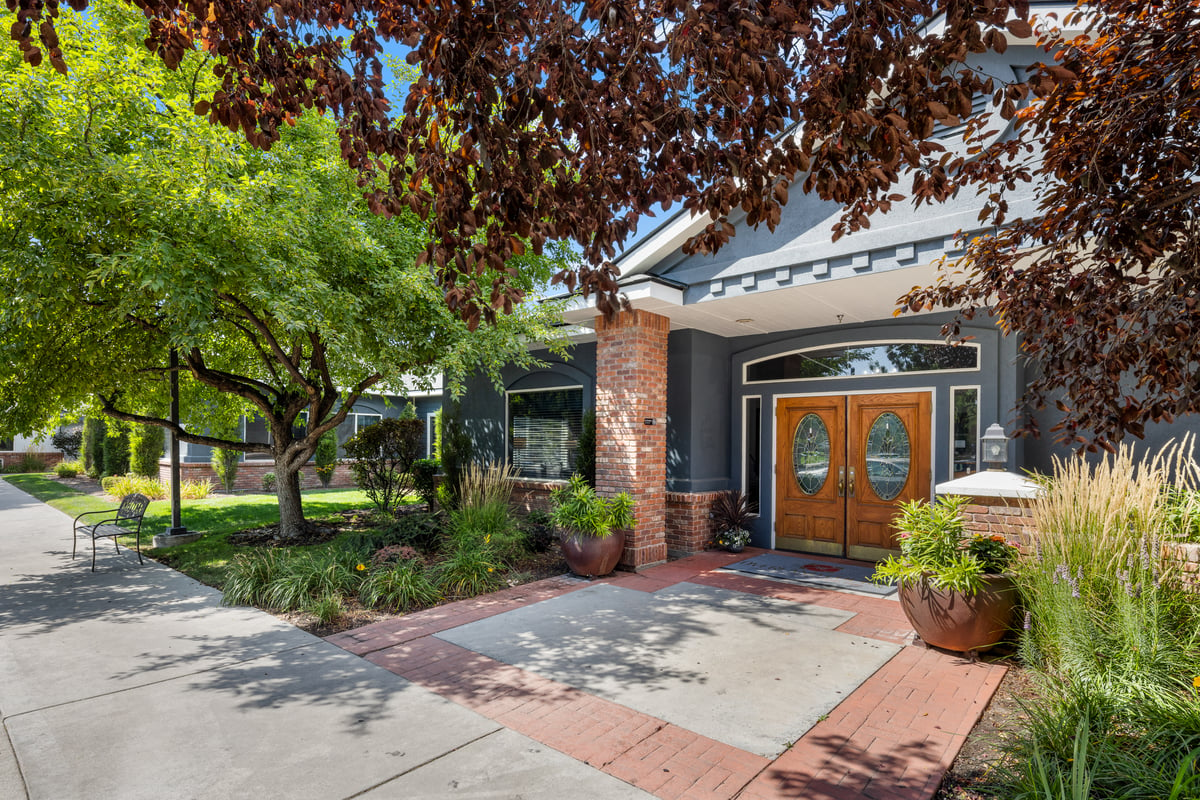
For families considering Boise, Overland Court offers Assisted Living and Memory Care in a single-level community with a residential feel. Assisted Living includes support with daily tasks along with chef-prepared meals, weekly housekeeping, scheduled transportation, and community events. Memory Care provides a dedicated setting for residents living with dementia.
Daily life also includes Vibrant Life®, which gives residents opportunities to choose programs and outings around their interests and preferences. Elevate® Dining combines fresh cooking with familiar home-style meals and seasonal dishes. These built-in services can simplify some of the logistics that families may otherwise coordinate from a distance.
Make the Moving Parent Closer Decision Together
There's rarely one answer that works for every family. Start by asking your parent what matters most to them and listening carefully to the answer. Discuss their current routines, relationships, concerns about moving, and expectations for the future.
If relocation seems worth exploring, visit potential communities together whenever possible. Giving your parent a meaningful role in comparing options can make the process feel collaborative rather than predetermined.
It's equally important to be realistic about what living closer will change. Proximity can make visits and communication easier, but it does not mean one family member needs to take responsibility for every daily need. A senior living community can provide support while allowing family time to remain focused on the relationship itself.
Ultimately, deciding whether Dad should move closer means balancing practical needs with the people, routines, and connections that matter to him. By considering both long-distance options and relocation thoughtfully, your family can make a decision with greater clarity about what comes next.
Schedule a tour of Overland Court to explore Assisted Living and Memory Care and see whether the community could be a good fit for your family.